
IVF may be considered when evaluation shows that it is an appropriate treatment option. At Khushi, planning begins with your health history, fertility assessment and previous treatment, where relevant. Your doctor will explain the proposed approach, laboratory steps, expected timeline and alternatives before treatment begins.

IVF outcomes vary between individuals and depend on several clinical factors. Treatment recommendations are made after individual evaluation.
Medication helps multiple eggs mature in a controlled treatment cycle.
Mature eggs are retrieved in a planned procedure at the appropriate stage of the cycle.
Eggs and sperm are brought together in the laboratory and developing embryos are observed.
A selected embryo may later be transferred into the uterus as part of the individual treatment plan.
IVF is a fertility treatment in which eggs are collected from the ovaries and fertilisation takes place in a laboratory. If an embryo develops appropriately, it may later be transferred into the uterus as part of the treatment plan.
IVF is not one single procedure. It is a planned treatment pathway that may include ovarian stimulation, monitoring, egg retrieval, fertilisation, embryo development and embryo transfer.
The exact approach depends on individual clinical factors such as age, ovarian response, sperm factors, previous treatment and overall fertility evaluation.
IVF may be discussed when fertility evaluation identifies factors that make assisted reproduction appropriate, or when other treatment approaches have not resulted in pregnancy. The decision depends on the individual situation and should be made after reviewing both partners where relevant.
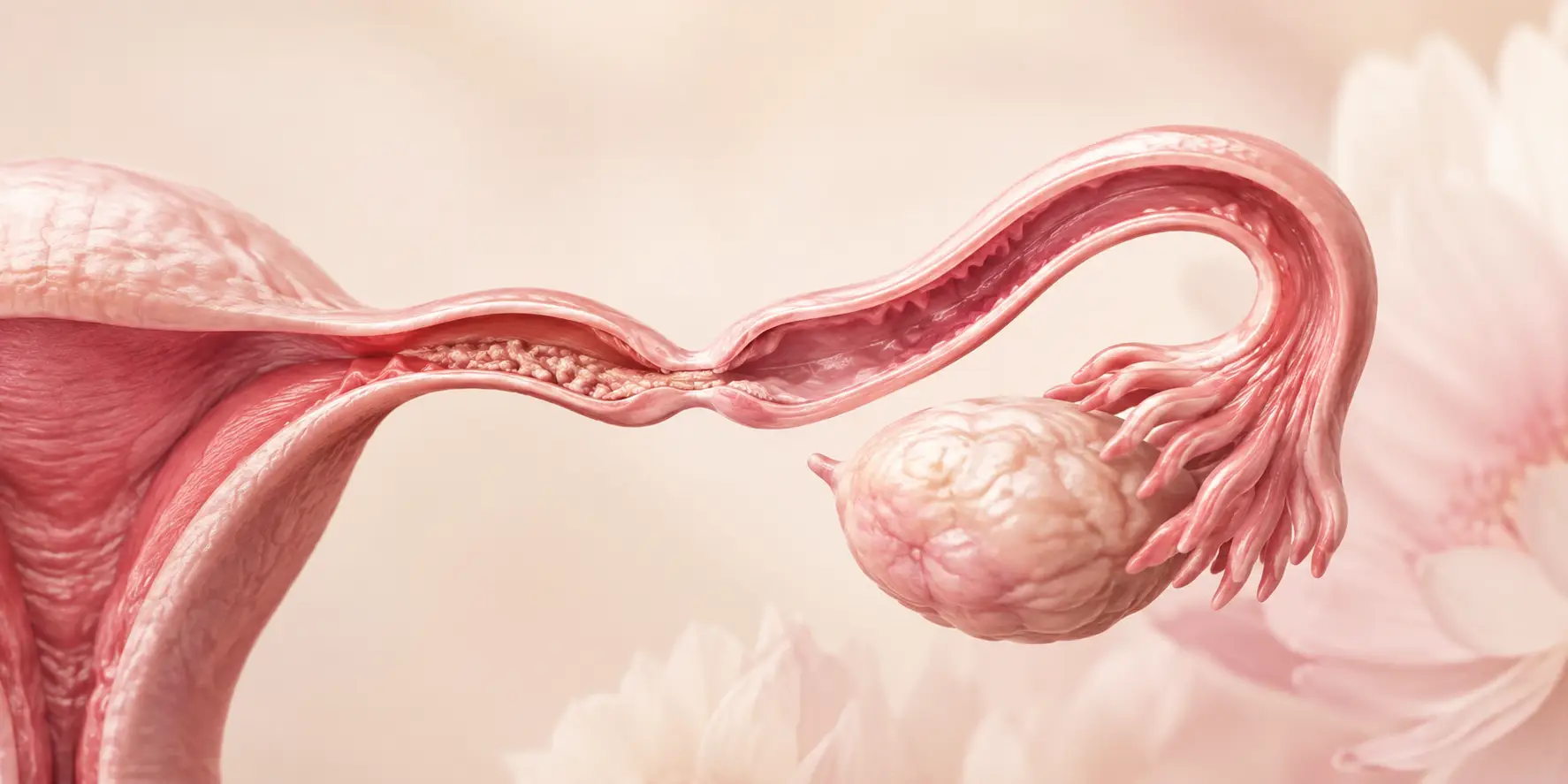
Damage or blockage of the fallopian tubes may make IVF an option to discuss after evaluation.

Some sperm-related factors may lead to IVF being discussed, with ICSI considered where clinically appropriate.
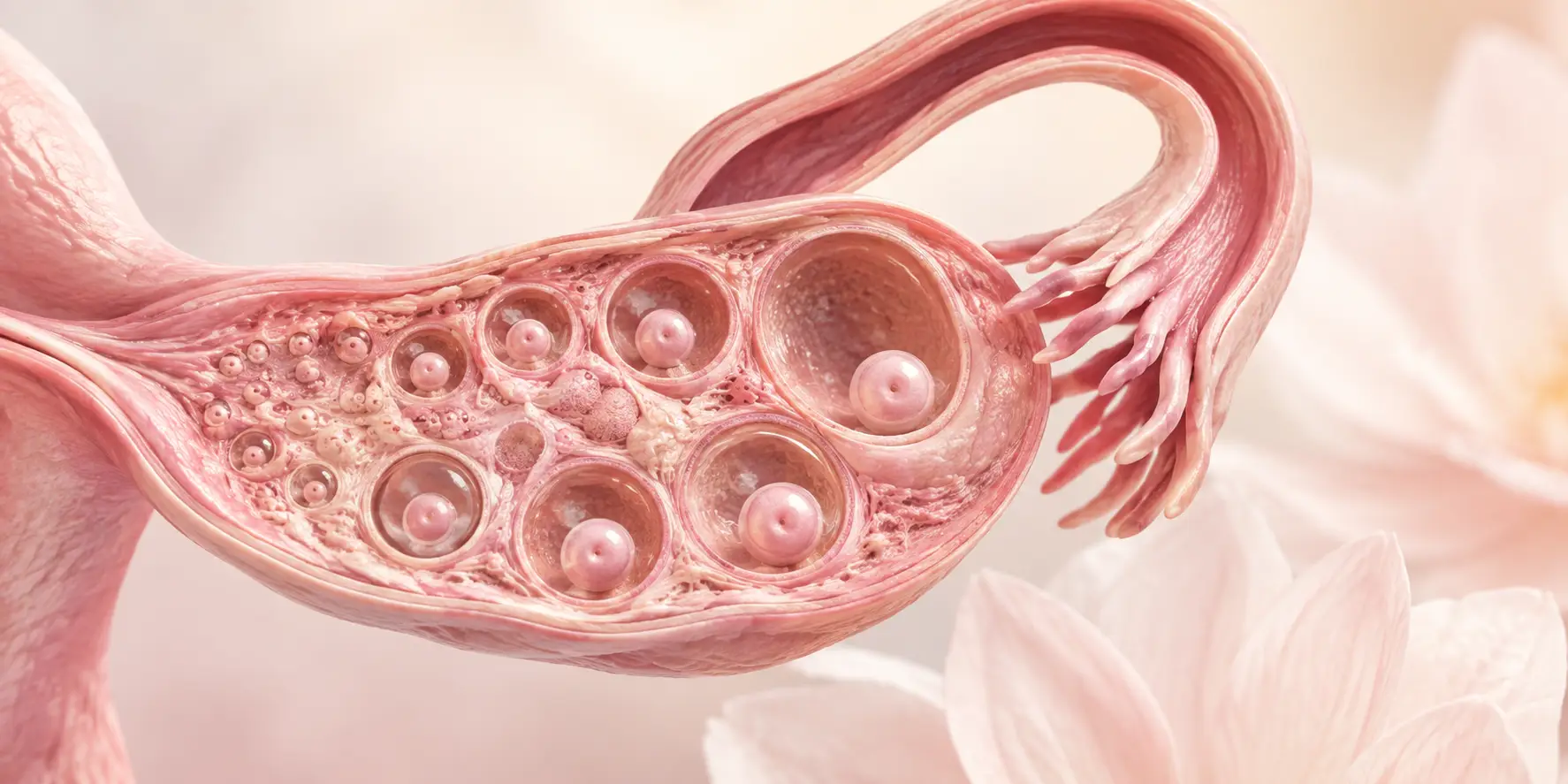

Age is considered alongside ovarian reserve, medical history and other fertility findings when planning treatment.

IVF may be discussed when previous appropriate treatment has not resulted in pregnancy or the clinical situation has changed.
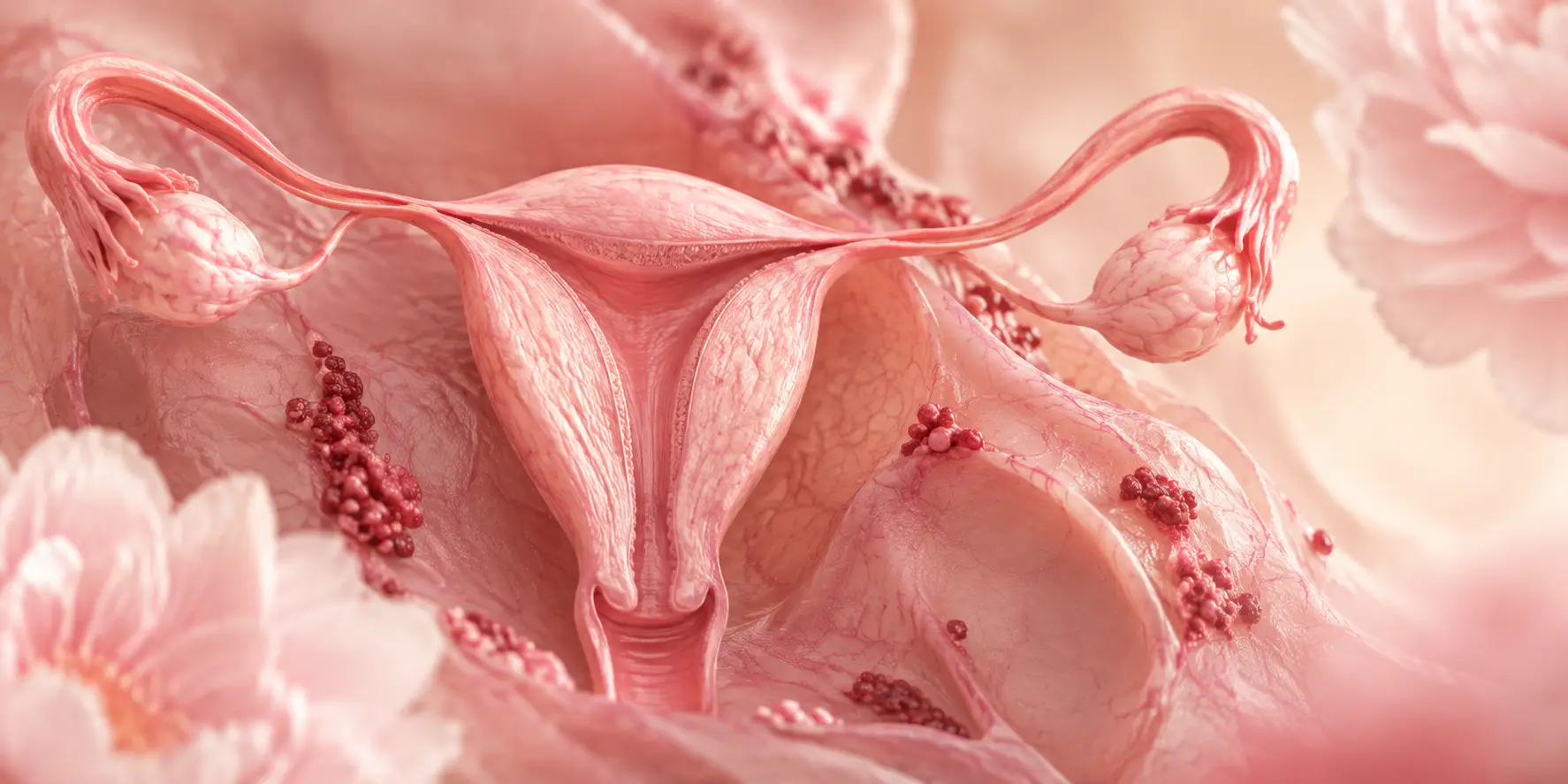
For some patients with endometriosis, IVF may be considered depending on age, ovarian reserve, tubal factors and previous treatment.

When evaluation does not identify a clear cause, IVF may be one of several options discussed.

If IUI is unlikely to be suitable because of specific fertility factors, IVF may be considered as another option.
Before an IVF plan is finalised, the clinical team reviews the factors that may influence treatment decisions. This can include ovarian reserve, ultrasound findings, semen assessment, uterine health, medical history and previous fertility treatment. Where relevant, both partners are evaluated so that the proposed plan reflects the individual clinical situation.
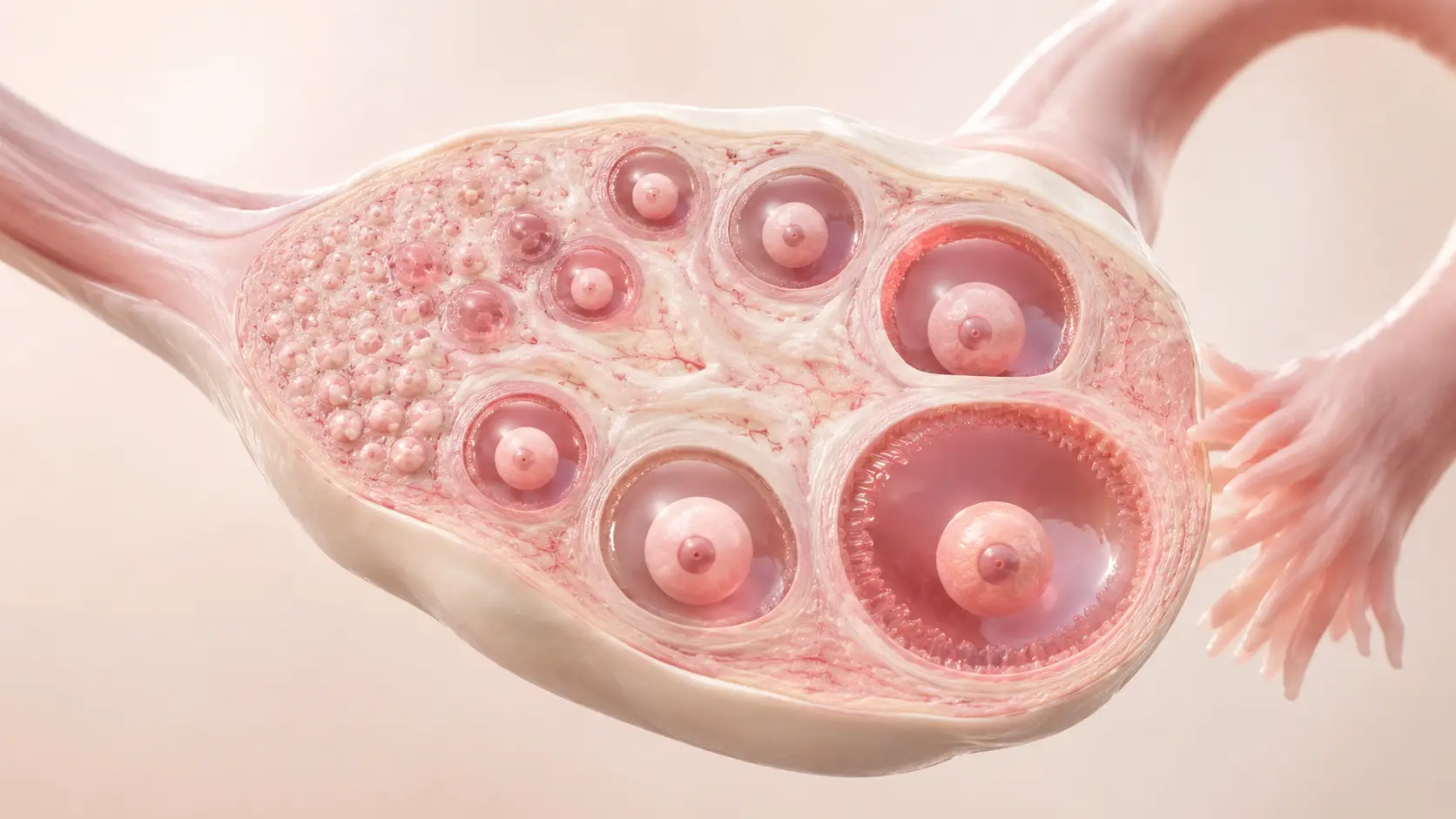
Tests and ultrasound findings can help the doctor understand ovarian reserve and plan stimulation appropriately.
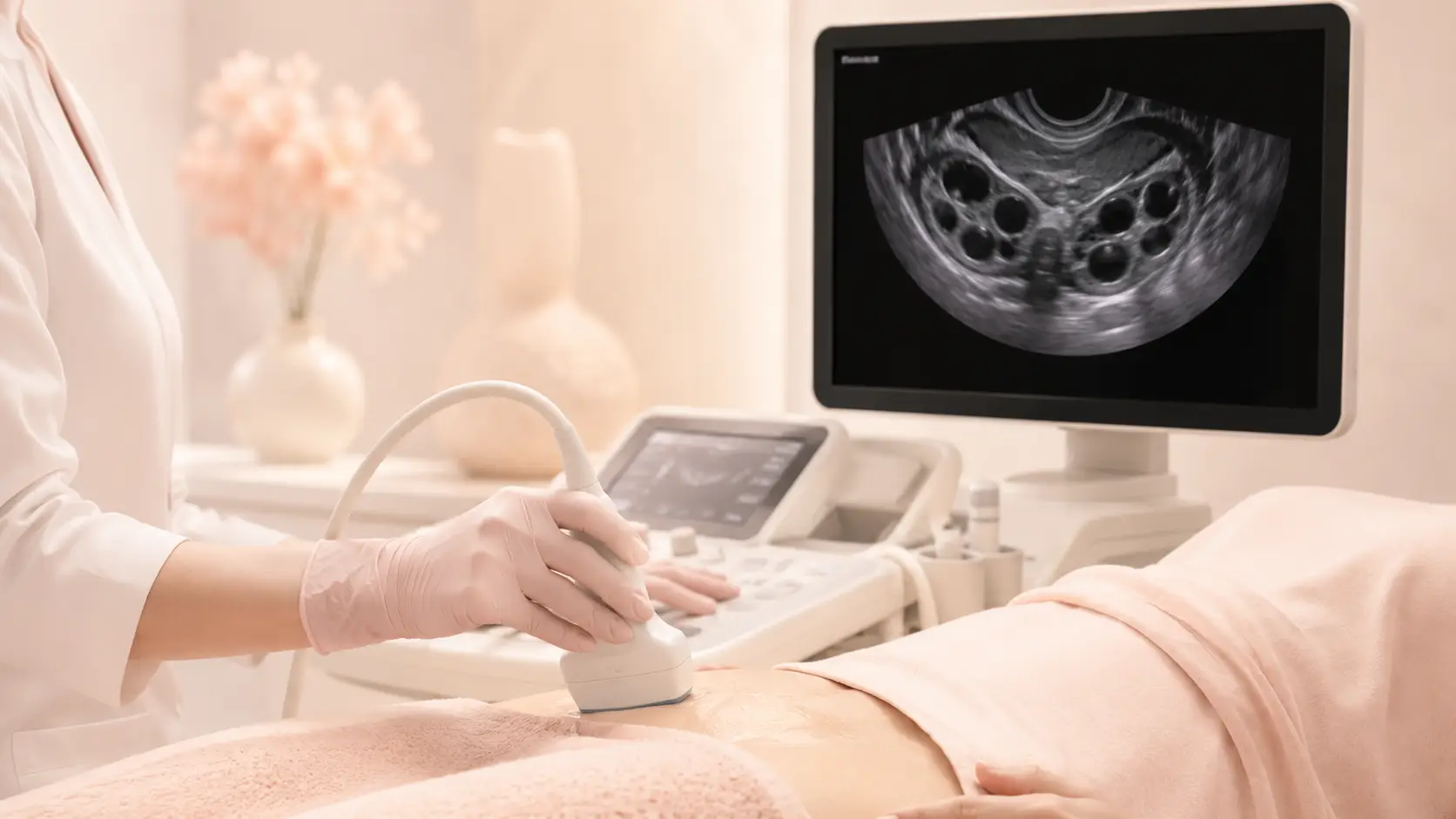
Ultrasound may be used to assess the ovaries, follicle count, uterus and other findings relevant to treatment planning.

Semen assessment can help identify sperm-related factors that may influence whether conventional IVF, ICSI or another approach is discussed.
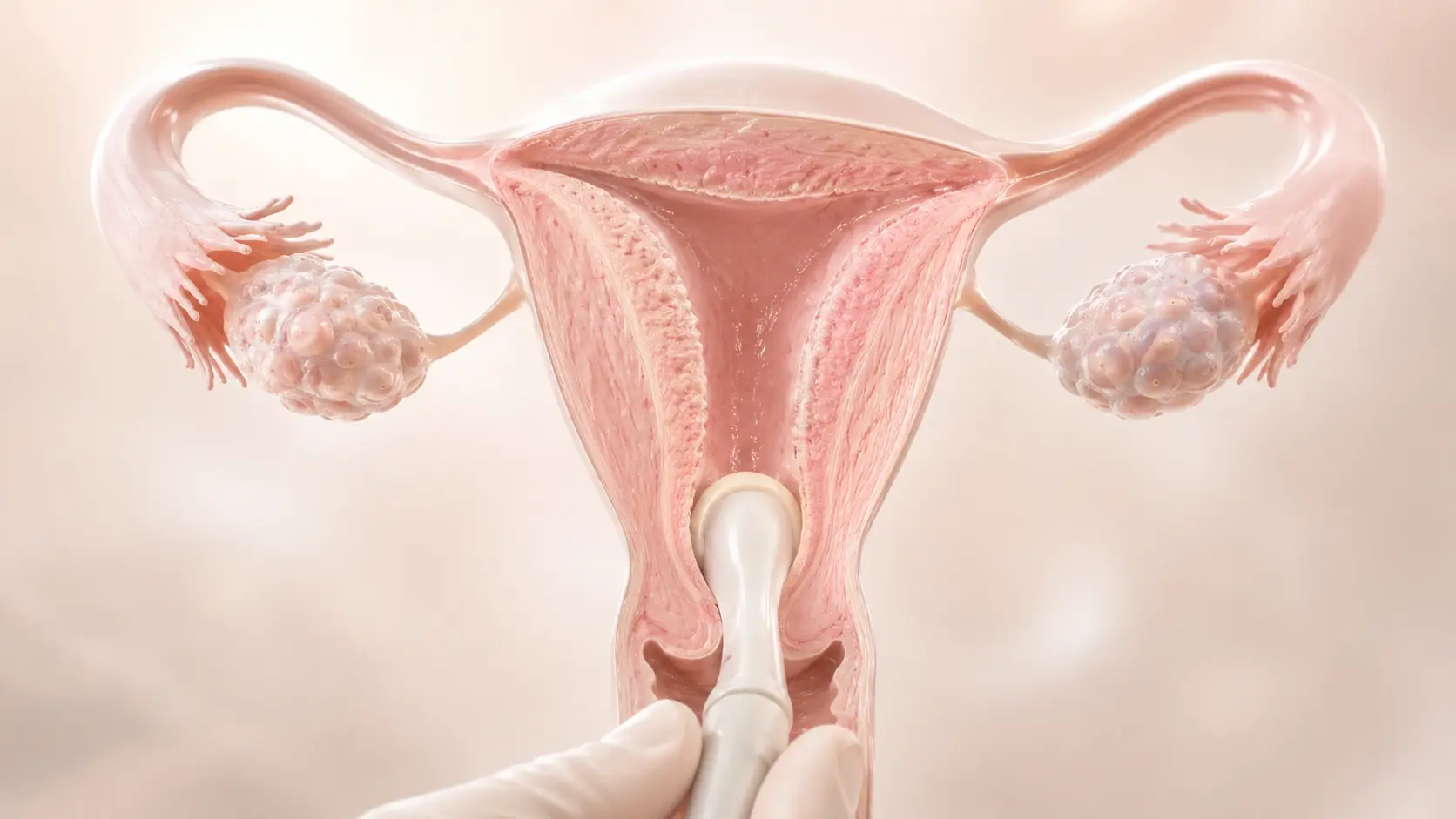
The uterus and endometrial cavity may be evaluated when clinically relevant before embryo transfer planning.

Previous illnesses, medicines, surgeries and reproductive history can influence treatment decisions and safety considerations.

Earlier fertility investigations and treatment cycles can provide useful information when planning the next step.

Your doctor should explain the proposed plan, possible changes, practical requirements, limitations and alternatives before treatment begins.
IVF usually involves a series of connected stages, from treatment planning and ovarian stimulation through egg retrieval, fertilisation, embryo development and transfer planning. The exact sequence and timing can vary according to individual response, laboratory findings and clinical decisions during the cycle.
Your IVF cycle begins with review of your evaluation, treatment options and the proposed plan.
Fertility medicines may be used to encourage several follicles to develop during the treatment cycle.
Ultrasound scans, and blood tests when required, help the clinical team assess your response and guide treatment decisions.
When the follicles are considered ready, medication may be given to support final egg maturation before egg retrieval.
Eggs are collected from the ovaries in a planned procedure when the clinical team considers the timing appropriate.
A semen sample, or previously stored sperm where relevant, is prepared in the laboratory for fertilisation.
Eggs and sperm are brought together in the laboratory. ICSI may be used instead when clinically appropriate.
If fertilisation occurs, embryos are observed in the laboratory as they continue to develop.
The clinical team reviews embryo development and individual circumstances before deciding whether and when embryo transfer is appropriate.
After transfer, you receive guidance about medicines, follow-up and the appropriate timing of pregnancy testing.
Laboratory stages are an important part of IVF treatment. After egg retrieval, the embryology team prepares the eggs and sperm for fertilisation, observes embryo development where fertilisation occurs, and supports the laboratory steps required before transfer or cryopreservation planning.
At Khushi, these stages are coordinated with the clinical treatment plan so that laboratory findings can be considered together with the individual medical situation.
From gamete preparation and fertilisation to embryo observation and cryopreservation planning.
A little preparation can make the practical side of IVF easier to manage. Before treatment begins, it helps to understand the likely appointment schedule, medicines, procedures, work or travel arrangements, and who to contact when questions come up.
IVF may involve several clinic visits for scans, tests and treatment decisions. At Khushi, the expected schedule is explained in advance and adjusted when additional monitoring is clinically required.
Medicines may be prescribed at different stages of IVF. The clinical team explains how and when they should be taken, including any important instructions about timing, storage or missed doses.
Before planned procedures such as egg retrieval or embryo transfer, the doctor explains what the procedure involves, how to prepare, what to expect afterwards and any relevant precautions.
IVF appointments and procedures can affect normal routines. Important work commitments or travel plans should be discussed early so they can be considered while the treatment schedule is being planned.
Some procedures may require time for recovery or support from another adult, particularly when sedation is used. Any specific arrangements needed for the day of the procedure are explained beforehand.
Questions should be discussed whenever instructions or treatment decisions are unclear. IVF plans can sometimes change according to ovarian response, scan findings, laboratory findings or other clinical considerations.
IVF involves several clinical and laboratory decisions, and not every cycle follows exactly the same course. Clear communication about possible outcomes, changes, limitations and alternatives is an important part of responsible treatment planning.
IVF outcomes differ between individuals and can be influenced by several clinical and laboratory factors. No treatment can guarantee pregnancy.
Medication doses, timing, procedures or transfer plans may be adjusted according to ovarian response, scan findings, laboratory findings or safety considerations during the cycle.
Before treatment begins, the doctor should discuss relevant risks, practical demands, limitations and other options that may be appropriate in the individual situation.
IVF planning at Khushi begins with understanding the clinical situation before deciding on treatment. The focus is on explaining findings clearly, considering both partners where relevant, discussing appropriate options and setting realistic expectations throughout the process.
Treatment planning begins after reviewing the clinical factors that may influence whether IVF is appropriate.
Where relevant, evaluation includes fertility factors from both partners so that treatment decisions are not based on one side alone.
AMH, ultrasound findings, semen analysis and previous treatment history are considered together rather than interpreted as isolated numbers.
IVF is not presented as the automatic next step. Other appropriate options may also be discussed depending on the individual situation.
Possible changes, limitations, practical requirements and uncertainties are discussed as part of responsible treatment planning.
Clinical consultation, monitoring and laboratory stages are presented as connected parts of the IVF treatment process, with appropriate follow-up discussed along the way.
IVF may be one part of a wider fertility-care pathway. Explore related evaluations, treatments and fertility concerns that may be relevant depending on your individual clinical situation.
Understand the assessments that may help identify factors affecting fertility and guide appropriate next steps.
Learn when intrauterine insemination may be considered and how it differs from IVF.
Understand the laboratory stages involved in fertilisation, embryo development and IVF treatment.
Explore evaluation and treatment planning for sperm-related and other male fertility factors.
Learn what ovarian reserve tests can indicate and how the findings may influence fertility planning.
Understand how PCOS can affect ovulation and fertility, and how treatment is planned according to the individual situation.
IVF treatment may involve injectable medications to support follicle development and prepare for the next stages of treatment. Dr Rashmi Yogish explains what these medicines are used for and what patients should understand while undergoing IVF.
Founder · Khushi Fertility & IVF Centre
Patient education · Approximate viewing time shown by YouTube
Common questions about IVF, answered in a clear and practical way. Your treatment plan, medicines and timeline may differ depending on your evaluation and individual response.
IVF, or in vitro fertilisation, is a fertility treatment in which eggs are collected from the ovaries and fertilised with sperm in a laboratory. If suitable embryos develop, an embryo may later be transferred into the uterus as part of the treatment plan.
No. IVF is one of several fertility treatment options. Whether it is appropriate depends on factors such as the cause of infertility, age, ovarian reserve, semen findings, previous treatment and other clinical considerations. Evaluation should come before deciding on treatment.
The timeline varies according to the treatment protocol and individual response. A full IVF cycle commonly takes several weeks, with monitoring appointments arranged throughout treatment. Your clinical team will explain the expected schedule before treatment begins.
IVF medicines are commonly given by injection and may cause temporary side effects such as discomfort, bruising or bloating. Fertility treatment is generally considered safe, but medicines and procedures can have risks, including ovarian hyperstimulation syndrome in some patients. Your response should be monitored during treatment.
IVF outcomes can vary between individuals and between treatment cycles. Factors may include age, ovarian response, egg and sperm factors, embryo development, uterine factors, underlying health conditions and the specific clinical situation. No individual cycle can guarantee pregnancy.
Yes. Previous treatment records may provide useful information for planning future care. Your doctor may review ovarian response, fertilisation, embryo development, transfer details, laboratory information and other relevant clinical factors before discussing whether any changes are appropriate.
If you are considering IVF, a consultation can help clarify whether it may be appropriate for your situation. Your medical history, fertility evaluation and previous treatment can be reviewed before available options and next steps are discussed.
Main Centre
No. 05/A, Sarakki Industrial Layout, Opposite Vega City Mall, Bannerghatta Road, JP Nagar 3rd Phase, Bangalore – 560078
Coming Soon
A new Khushi Fertility & IVF Centre location in Bangalore.
For appointments and patient enquiries, call either of the numbers below.