
Egg Freezing in Bangalore, Planned With Your Future in Mind
Egg freezing allows mature eggs to be collected and stored for possible future use. It may be considered for personal, medical or reproductive reasons, but the decision is individual and deserves more than a simple age-based recommendation.
At Khushi Fertility & IVF Centre, the conversation begins with understanding your age, ovarian reserve, medical history, reproductive plans and expected response to treatment. The aim is to help you understand what egg freezing can preserve, what it cannot promise and whether it makes sense for your situation.
Egg freezing preserves eggs for possible future use, but it cannot guarantee a future pregnancy. Outcomes depend on factors including age at freezing, the number of mature eggs stored and future reproductive circumstances.
What Does Egg Freezing Actually Mean?
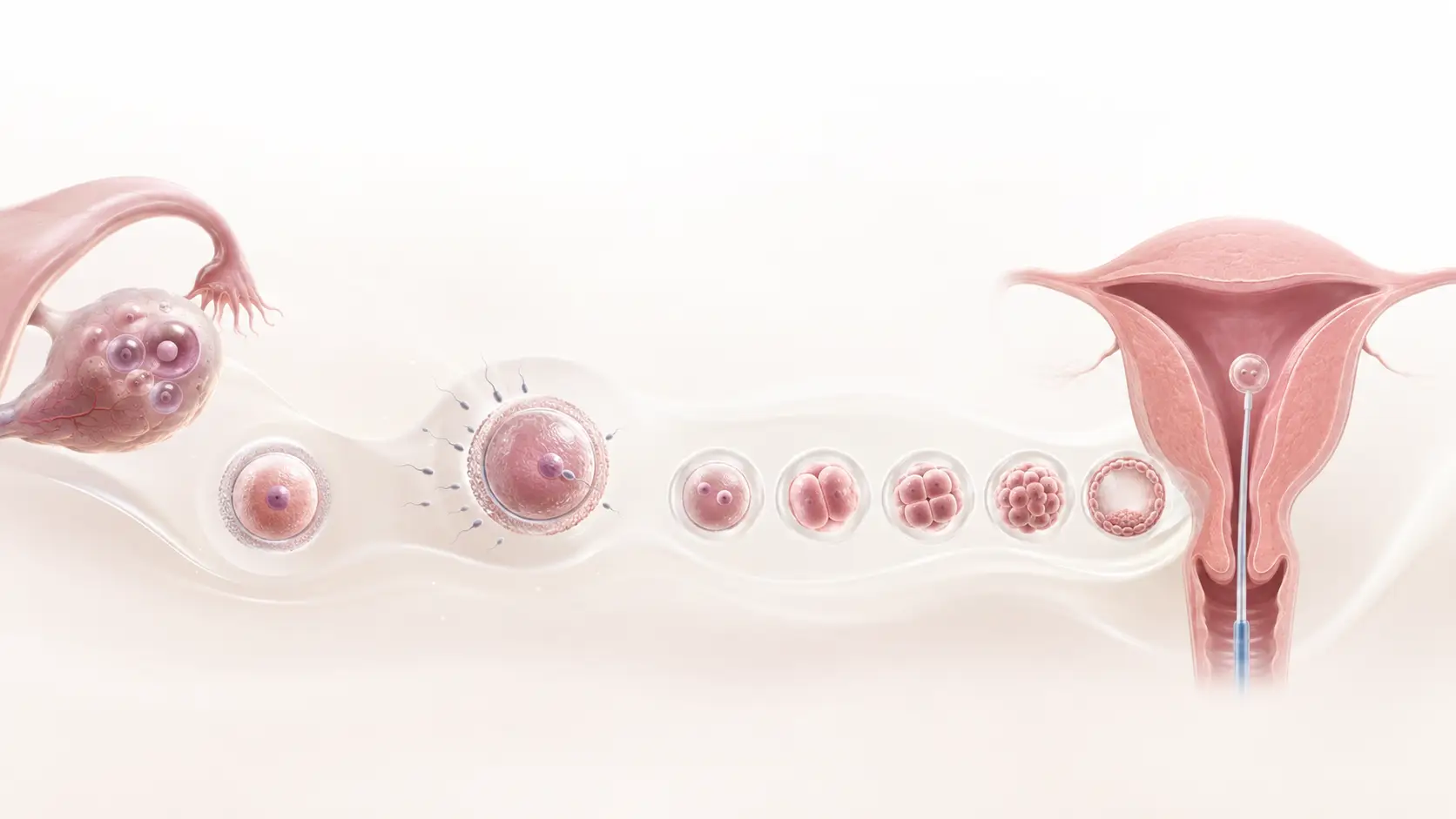
Egg freezing, also called oocyte cryopreservation, is a fertility-preservation option in which eggs are collected from the ovaries, assessed in the laboratory and suitable mature eggs are frozen for possible future use.
The eggs are not fertilised at the time they are frozen. If they are used later, they are thawed and may then be fertilised as part of IVF treatment. Egg freezing therefore preserves unfertilised eggs rather than embryos.
The value of egg freezing depends on the individual situation. Age at the time of freezing, ovarian reserve, the number of mature eggs obtained and future reproductive circumstances can all influence what the stored eggs may offer later.
When Egg Freezing May Be Considered
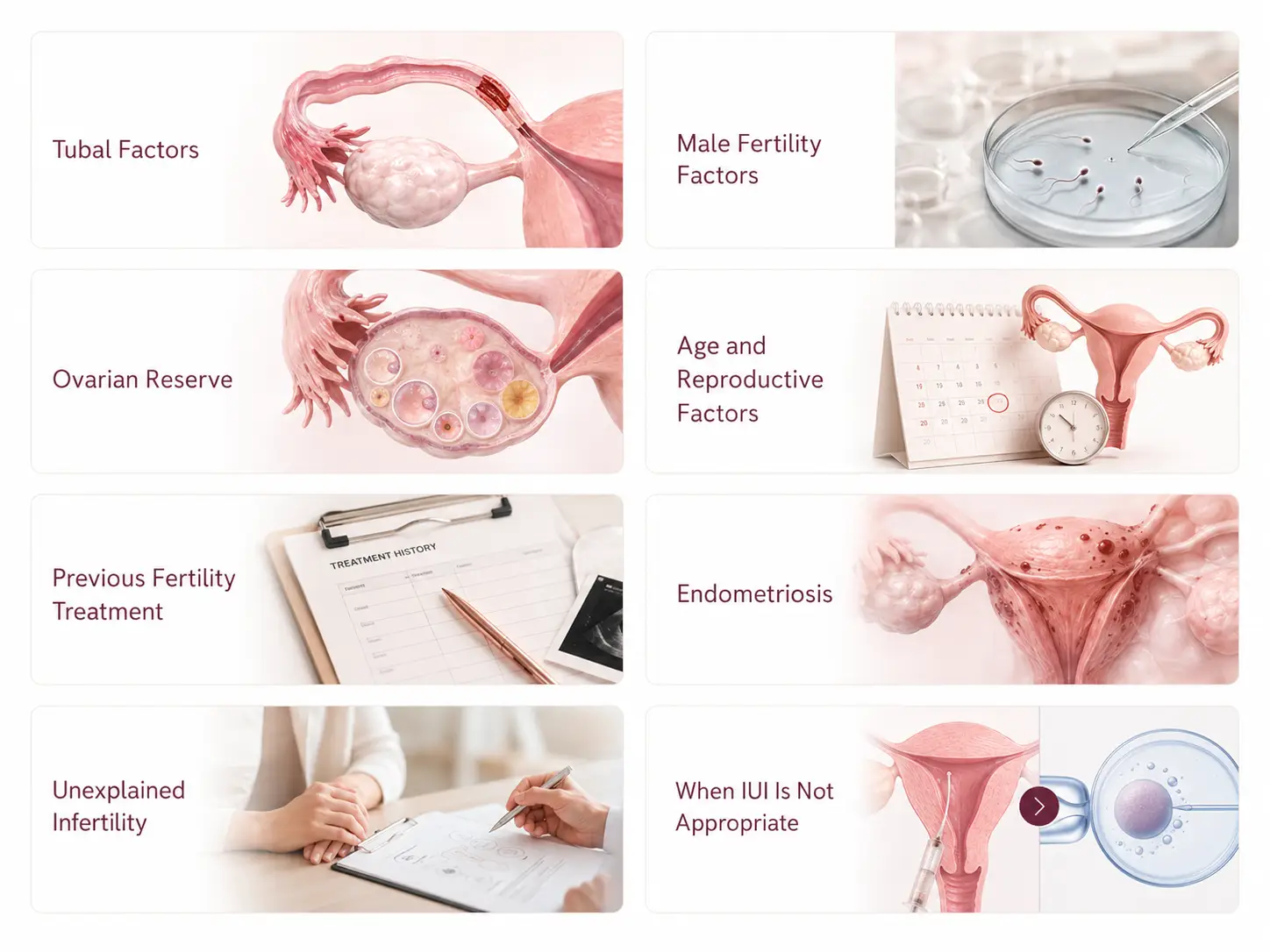
People consider egg freezing for different reasons. For some, it is part of future reproductive planning. For others, it is considered before medical treatment, surgery or another situation that may affect fertility. The decision should be based on the individual circumstances rather than pressure or a single age cut-off.
01 — Future Reproductive Planning
Egg freezing may be considered when pregnancy is not planned now but preserving eggs for possible future use is important to the individual.
02 — Before Certain Medical Treatments
Fertility preservation may be discussed before treatments such as chemotherapy or radiotherapy when the planned treatment could affect future ovarian function.
03 — Before Ovarian Surgery
04 — Medical or Genetic Risk to Ovarian Function
Some medical conditions or inherited risks may lead to an earlier discussion about fertility preservation and the timing of egg freezing.
05 — Preserving Eggs Rather Than Embryos
Some people prefer to store unfertilised eggs rather than create embryos at the time of fertility preservation.
06 — After Individual Fertility Assessment
Age, ovarian reserve, ultrasound findings, medical history and future reproductive plans are considered together before deciding whether egg freezing is a reasonable option.
What We Assess Before Planning Egg Freezing
Egg freezing should not be recommended from age alone or from a single fertility test. The consultation brings together your reproductive plans, age, ovarian reserve, ultrasound findings, medical history and other factors that may influence how your ovaries are expected to respond to stimulation.
The purpose of this assessment is to plan appropriately and set realistic expectations about the treatment cycle and the number of mature eggs that may potentially be obtained.
01 — Age & Reproductive Plans
Age at the time eggs are frozen is an important part of counselling, together with when or whether you may hope to use the stored eggs in the future.
02 — Ovarian Reserve
Tests such as AMH may help the doctor estimate how the ovaries could respond to stimulation and support individual treatment planning.
03 — Ultrasound Assessment
An ultrasound can assess the ovaries and antral follicles, providing additional information about the expected response to stimulation.
04 — Medical & Surgical History
Previous ovarian surgery, medical conditions, medicines and treatments that may affect reproductive health are reviewed before planning.
05 — Previous Fertility Information
Previous fertility tests or treatment records can be reviewed when available so that earlier findings contribute to the current assessment.
06 — Realistic Counselling
The consultation should explain what egg freezing can and cannot achieve, the possibility that more than one treatment cycle may sometimes be discussed, and why no specific number of frozen eggs can guarantee a future baby.
How Egg Freezing Works, Step by Step
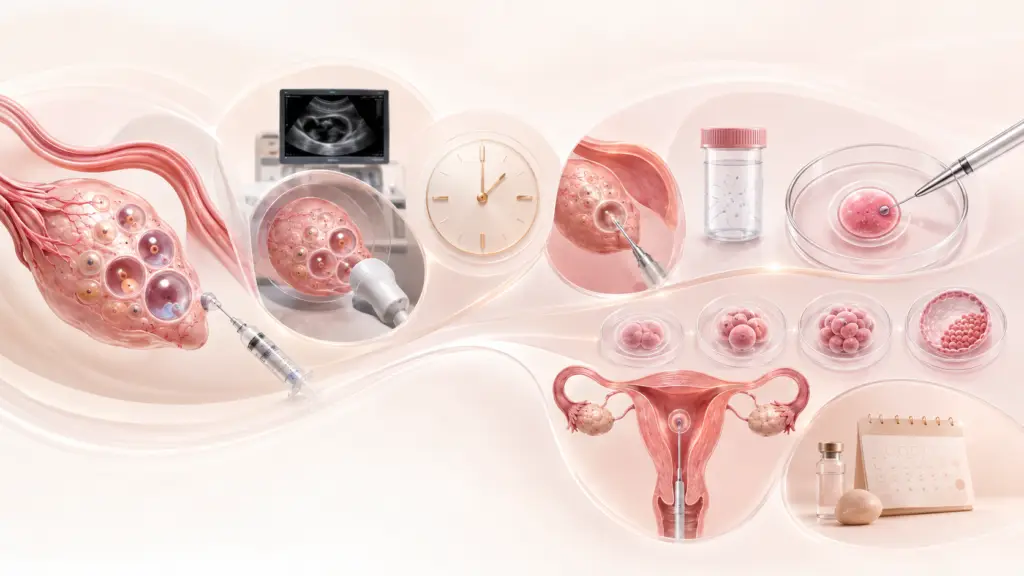
Egg freezing involves a short sequence of treatment and laboratory stages designed to develop, collect and preserve mature eggs. The exact treatment plan is individualised according to ovarian reserve, expected response, medical history and monitoring during the cycle.
Consultation & Treatment Planning
Your assessment is reviewed and the doctor explains the proposed stimulation plan, monitoring, egg retrieval and what can realistically be expected from the cycle.
Ovarian Stimulation
Medication is used for a limited period to encourage several ovarian follicles to develop rather than the single follicle that commonly develops in a natural cycle.
Monitoring the Response
Ultrasound and, when clinically appropriate, blood tests are used to follow follicle development and help the doctor adjust the treatment plan if needed.
Final Egg Maturation & Timing
When the follicles reach an appropriate stage, medication is given to complete the final maturation process and carefully time the egg-retrieval procedure.
Egg Retrieval
The eggs are collected from the ovaries during a planned clinical procedure and transferred immediately to the embryology laboratory.
Mature Eggs Identified & Frozen
The embryology team assesses the retrieved eggs for maturity. Suitable mature eggs are then cryopreserved, commonly using a rapid-freezing method called vitrification.
Cryostorage for Possible Future Use
The frozen eggs are placed into controlled cryostorage. If you choose to use them in the future, the eggs will need to be thawed and fertilised as part of fertility treatment.
What Happens to Your Eggs in the Laboratory
After egg retrieval, the collected eggs are transferred to the embryology laboratory, where they are carefully assessed. The embryology team identifies which eggs are mature and suitable for cryopreservation.
Suitable mature eggs are then frozen using vitrification, a rapid cryopreservation method widely used for modern egg freezing, and placed into controlled cryostorage for possible future use.
If you decide to use the eggs later, they will need to be warmed and fertilised as part of fertility treatment. Not every stored egg will necessarily survive warming, fertilise or develop into an embryo, which is why realistic counselling before freezing is important.

Egg Freezing Preserves an Option, Not a Promise
Egg freezing can preserve younger eggs for possible future use, but it cannot freeze time or guarantee a future pregnancy. Good counselling means understanding both the opportunity it may provide and the uncertainty that remains.
Age at Freezing Matters
Eggs frozen at a younger age generally have better reproductive potential than eggs frozen later. However, age should be discussed together with ovarian reserve, reproductive plans and the individual clinical situation.
There Is No Magic Egg Number
The number of mature eggs stored is relevant to future possibilities, but no fixed number can promise a baby. Expected egg yield and whether another cycle should be considered need individual discussion.
Freezing Is Only One Part of the Future Pathway
If the eggs are used later, they still need to survive warming, be fertilised and develop appropriately before pregnancy can become possible. Egg freezing preserves an opportunity for future treatment, not the outcome itself.
Our Approach to Egg Freezing at Khushi
Egg freezing is a personal decision as well as a medical process. Our approach begins with understanding why you are considering fertility preservation, what your assessment shows and what the stored eggs may realistically offer in the future. The treatment plan is then individualised around your clinical findings and reproductive goals.
01 — Evidence Before Assumption
Age is important, but it is not considered in isolation. Ovarian reserve, ultrasound findings, medical history and reproductive plans are reviewed before treatment is recommended.
02 — Individualised Treatment Planning
The stimulation and monitoring approach is planned according to the individual ovarian response and clinical situation rather than using the same treatment plan for everyone.
03 — Clinical and Embryology Coordination
The fertility team and embryology laboratory work across the same treatment pathway, from ovarian stimulation and egg retrieval to maturity assessment, freezing and cryostorage.
04 — Realistic Expectations
Counselling includes what egg freezing can preserve, the uncertainty around future outcomes and why the number of eggs collected cannot be treated as a guarantee.
05 — Planning for Future Use
The conversation does not end when the eggs are frozen. Patients should also understand how stored eggs may be used later and that future treatment will involve warming, fertilisation and embryo development.
Egg Freezing and Related Fertility Pathways
Egg freezing may be one part of a wider fertility plan. Depending on the reason for preservation, ovarian reserve, medical history and future reproductive goals, other assessments or treatment pathways may also be relevant.
Fertility Evaluation
A fertility assessment can help place age, ovarian reserve, ultrasound findings and reproductive plans into context before deciding whether egg freezing is appropriate.
Ovarian Reserve & AMH
AMH and ultrasound findings can help estimate how the ovaries may respond to stimulation, but they do not independently predict whether a future pregnancy will occur.
IVF Treatment
If frozen eggs are used in the future, they become part of an IVF treatment pathway involving warming, fertilisation, embryo development and further treatment planning.
ICSI
When previously frozen eggs are used, ICSI may form part of the laboratory fertilisation plan after the eggs are warmed and assessed.
Fertility Preservation for Medical Reasons
Before certain medical treatments or ovarian procedures that may affect future fertility, preservation options can be discussed in coordination with the relevant treating specialists.
Patient Journey
Frequently Asked Questions About Egg Freezing
Considering egg freezing often brings questions about timing, ovarian reserve, the number of eggs to freeze and what happens if the eggs are used later. These answers are designed to explain the basics while recognising that the decision and treatment plan are individual.
What is egg freezing?
Egg freezing, or oocyte cryopreservation, involves stimulating the ovaries, retrieving eggs and freezing suitable mature eggs for possible future use. The eggs remain unfertilised while they are stored.
Is there a best age to freeze eggs?
There is no single age that is right for everyone. In general, eggs frozen at a younger age tend to have better reproductive potential than eggs frozen later, but the decision should also consider ovarian reserve, reproductive plans, medical history and personal circumstances.
Does a low AMH mean I cannot freeze my eggs?
Not necessarily. AMH can help estimate how the ovaries may respond to stimulation and how many eggs might potentially be obtained, but it does not by itself determine whether egg freezing is possible or predict whether stored eggs will result in a future live birth
How many eggs should I freeze?
There is no single number that guarantees a future baby. The number of mature eggs obtained can influence future possibilities, but age at freezing and several later biological steps also matter. Your doctor can discuss the expected response and whether another cycle may be worth considering in your individual situation.
Does freezing my eggs guarantee a future pregnancy?
No. Egg freezing preserves eggs for possible future use, but it cannot guarantee pregnancy. If the eggs are used later, they still need to survive warming, fertilise, develop into suitable embryos and progress through the later stages of fertility treatment.
What happens when I want to use my frozen eggs?
When you are ready to consider using the eggs, your current reproductive health and treatment plan are reviewed. Stored eggs are warmed and suitable eggs are fertilised as part of IVF treatment. Embryos that develop are then assessed and the next steps are planned according to the individual situation.
Understand Whether Egg Freezing Makes Sense for You
If you are considering egg freezing, a consultation can help you understand your ovarian reserve, expected response to treatment and the role age may play in future reproductive potential. The aim is to give you enough information to decide whether fertility preservation is appropriate for your situation, without pressure or promises.