
ICSI Treatment in Bangalore, Used When Clinically Appropriate
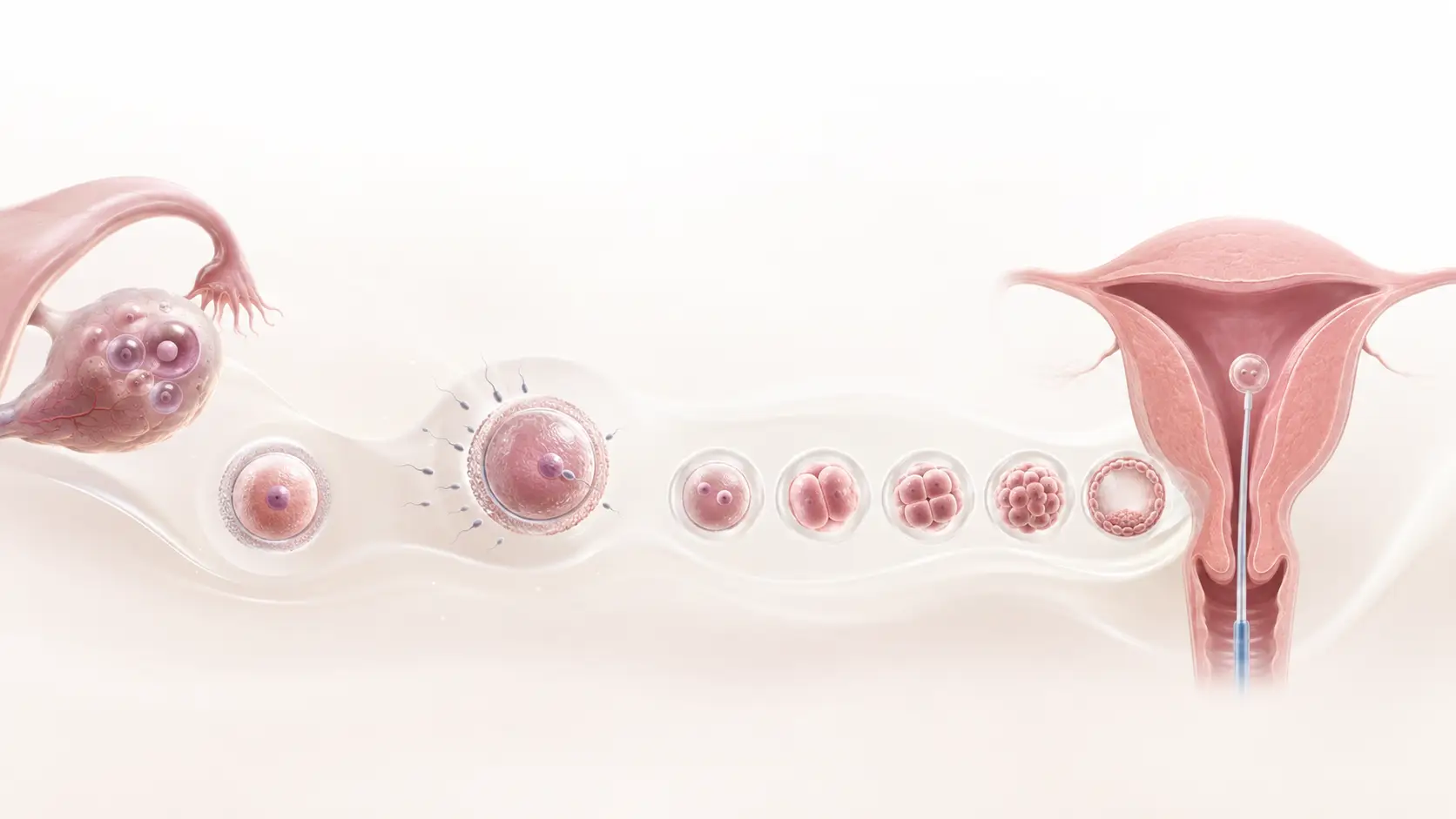
Intracytoplasmic sperm injection, or ICSI, is a laboratory technique used as part of an IVF cycle in selected situations. It involves injecting a single selected sperm directly into a mature egg to support the opportunity for fertilisation when sperm and egg interaction may otherwise be difficult.
At Khushi Fertility & IVF Centre, the choice between conventional IVF and ICSI is made after reviewing semen findings, egg factors, previous fertilisation history and the individual treatment plan. ICSI is not automatically required for every IVF cycle.
ICSI can support fertilisation in selected situations, but it cannot guarantee fertilisation, embryo development or pregnancy. Treatment recommendations are made after individual evaluation.
What Is ICSI?
Intracytoplasmic sperm injection, or ICSI, is a laboratory technique in which a single selected sperm is injected directly into the cytoplasm of a mature egg. It is performed as part of an IVF treatment cycle after eggs have been retrieved.
Unlike conventional IVF, where prepared sperm and eggs are placed together and fertilisation depends on sperm interacting with and entering the egg, ICSI bypasses several of those sperm–egg interaction steps. It may therefore be considered when there is a specific reason to support fertilisation in this way.
ICSI does not mean that fertilisation, embryo development or pregnancy is guaranteed. The decision to use ICSI should be based on the individual clinical and laboratory situation.
When ICSI May Be Considered
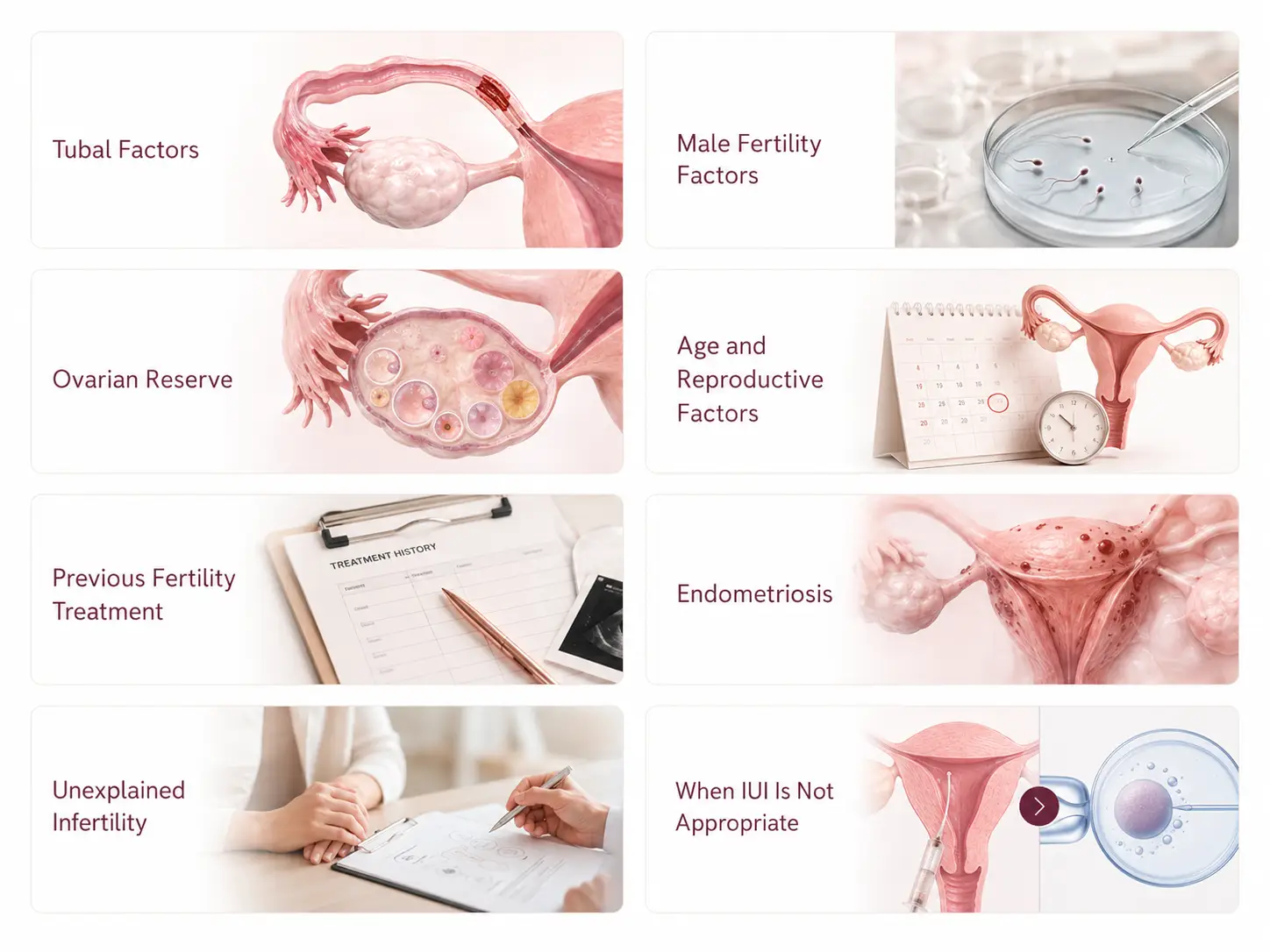
ICSI may be considered when there is a specific clinical or laboratory reason to support fertilisation by directly injecting a selected sperm into a mature egg. The decision is based on semen findings, previous fertilisation history, the source of sperm, egg factors and the wider IVF treatment plan.
01 — Significant Male Fertility Factors
ICSI may be considered when sperm count, movement or morphology is significantly reduced and conventional sperm–egg interaction may be less likely to result in fertilisation.
02 — Previous Poor or Absent Fertilisation
If a previous conventional IVF cycle resulted in very poor or no fertilisation, ICSI may be discussed to reduce the risk of the same fertilisation problem recurring.
03 — Surgically Retrieved Sperm
04 — Frozen and Thawed Eggs
ICSI may be preferred when previously frozen eggs are thawed for treatment because changes around the egg after cryopreservation can affect how fertilisation is approached.
05 — Selected PGT-M Treatment Plans
In some IVF cycles involving testing for a specific inherited genetic condition, ICSI may be considered as part of the laboratory plan. The reason for using ICSI should be discussed for the individual treatment situation.
How the Decision to Use ICSI Is Made
ICSI is chosen for a specific reason within an IVF treatment plan. Before recommending it, the clinical and embryology teams consider the sperm findings, previous fertilisation history, the source of sperm, egg-related factors and any laboratory circumstances that may influence the method of fertilisation.
01 — Semen Findings
Sperm count, movement, morphology and other relevant findings are reviewed to understand whether conventional IVF or ICSI may be more appropriate.
02 — Previous Fertilisation History
Results from earlier IVF cycles can be important, particularly when there has been very poor or absent fertilisation with conventional IVF.
03 — Source of Sperm
The treatment plan considers whether sperm is obtained from an ejaculated sample, a previously frozen sample or through a surgical retrieval procedure.
04 — Egg and Oocyte Factors
The number and maturity of the retrieved eggs, previous egg-freezing history and other relevant laboratory findings can influence how fertilisation is planned.
05 — Laboratory & Treatment Context
The embryology team considers the wider IVF plan, including any selected laboratory or genetic-testing requirements that may affect the fertilisation method.
06 — IVF or ICSI Discussion
The reason for recommending conventional IVF or ICSI should be explained clearly. ICSI is not automatically more appropriate simply because an IVF cycle is being performed.
How ICSI Works Within an IVF Cycle
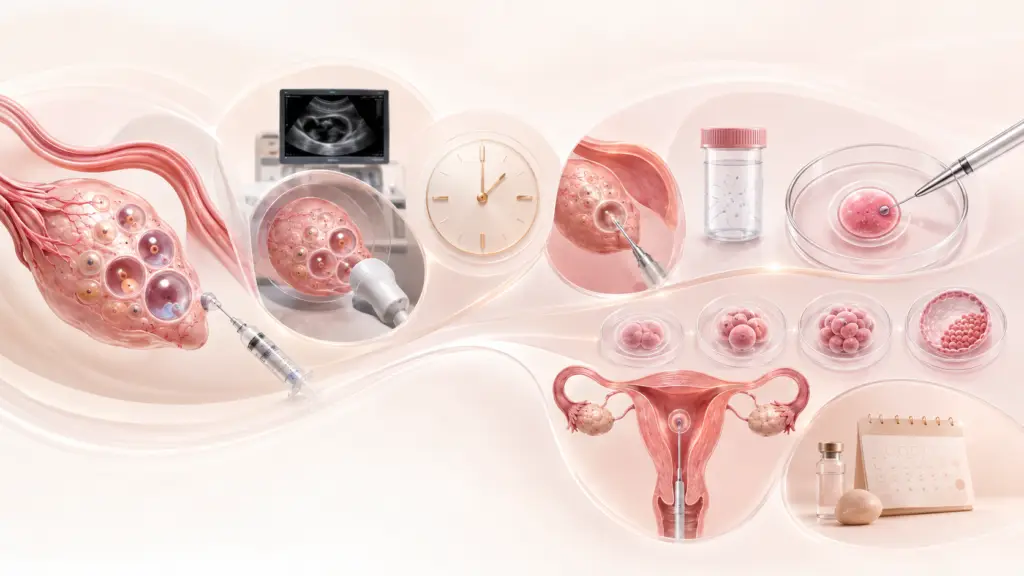
ICSI takes place in the embryology laboratory after eggs have been retrieved as part of an IVF cycle. The eggs and sperm are prepared and assessed before a selected sperm is injected into each suitable mature egg. Fertilisation and embryo development are then observed in the laboratory.
Egg Retrieval
Eggs are collected as part of the IVF treatment cycle and transferred to the embryology laboratory.
Egg Preparation
The embryology team carefully prepares the retrieved eggs so that their maturity can be assessed.
Mature Eggs Identified
Egg maturity is evaluated because standard ICSI is performed on eggs considered mature and suitable for injection.
Sperm Preparation
The sperm sample is prepared in the laboratory according to the individual treatment situation.
Sperm Selection
A suitable sperm is selected under microscopic assessment for the ICSI procedure.
Microinjection
The egg is carefully held in position while a single selected sperm is injected directly into its cytoplasm using specialised microscopic equipment.
Fertilisation Assessment
After ICSI, the eggs are observed to determine whether fertilisation has occurred. ICSI supports the opportunity for fertilisation but does not guarantee it.
Embryo Development
Where fertilisation occurs, the resulting embryos are observed as they develop and the next steps are planned according to the individual IVF cycle.
Inside the ICSI Laboratory
ICSI involves precise laboratory preparation before the sperm is injected into the egg. After retrieval, the eggs are prepared so that the embryology team can assess their maturity. Only eggs considered suitable and mature are used for standard ICSI.
The sperm sample is also prepared and assessed before a suitable sperm is selected under microscopy. During ICSI, the mature egg is stabilised while a specialised microinjection system is used to place a single selected sperm directly into the egg.
After the procedure, the eggs are carefully observed to assess fertilisation. Where fertilisation occurs, embryo development continues to be monitored as part of the wider IVF treatment plan.

ICSI Has a Specific Role, and Clear Limits
ICSI can be useful when there is a defined reason to support fertilisation, but it does not remove every factor that can affect egg quality, fertilisation, embryo development, implantation or pregnancy. The reason for using ICSI should therefore be explained clearly within the wider IVF treatment plan.
01 — ICSI Is Not Automatically Better Than IVF
ICSI is most useful when there is a specific fertilisation-related indication. In patients without such an indication, routine ICSI does not automatically mean a better pregnancy or live-birth outcome.
02 — Fertilisation Is Still Not Guaranteed
Injecting a selected sperm directly into a mature egg can support the opportunity for fertilisation, but some eggs may still not fertilise or continue normal development.
03 — The Procedure Involves Additional Egg Handling
ICSI requires preparation of the egg and microscopic injection. The embryology team performs these steps carefully, but the procedure itself involves more direct handling of the egg than conventional IVF.
Our Approach to ICSI at Khushi
The decision to use ICSI should connect the clinical treatment plan with what is happening in the embryology laboratory. At Khushi, the aim is to use ICSI when there is a clear reason, explain that reason to the patient and review laboratory findings in the context of the individual IVF cycle.
01 — Evidence Before Assumption
ICSI is considered because of the individual clinical or laboratory situation, not simply because IVF is being performed.
02 — Clinical and Laboratory Planning Together
Where relevant, evaluation includes fertility factors from both partners so that treatment decisions are not based on one side alone.
03 — Clear Reason for ICSI
Patients should understand why ICSI is being recommended and how it differs from conventional IVF.
04 — Individualised Embryology Decisions
IVF is not presented as the automatic next step. Other appropriate options may also be discussed depending on the individual situation.
05 — Findings Guide the Next Step
Fertilisation and embryo-development findings are reviewed with the wider treatment history before subsequent decisions are made.
ICSI and Related Fertility Pathways
ICSI is one laboratory method used within IVF and should be understood in the context of the wider fertility treatment plan. Evaluation of sperm, eggs, previous treatment and the reason for assisted reproduction helps determine which pathway may be appropriate.
IVF Treatment
Understand the wider IVF treatment cycle in which conventional fertilisation or ICSI may be used depending on the individual situation.
Male Fertility
Semen findings and male fertility factors can be important when deciding whether ICSI should be considered.
Sperm Retrieval
When sperm needs to be obtained through a surgical retrieval procedure, the fertilisation approach is planned together with the clinical and embryology teams.
Egg Freezing
When previously frozen eggs are thawed for treatment, the laboratory will determine the appropriate fertilisation approach for the individual cycle.
Genetic Testing of Embryos
For selected genetic-testing situations, the fertilisation method is planned according to the clinical indication and laboratory requirements.
Patient Journey
Frequently Asked Questions About ICSI
ICSI is a specialised fertilisation technique used within an IVF cycle when there is a specific clinical or laboratory reason. These common questions explain how ICSI differs from conventional IVF, when it may be considered and what patients should understand before treatment.
What is ICSI?
ICSI, or intracytoplasmic sperm injection, is a laboratory technique used within an IVF cycle. A single selected sperm is injected directly into a mature egg to support the opportunity for fertilisation.
Is ICSI the same as IVF?
ICSI is not a separate replacement for IVF. It is one method of fertilising eggs within an IVF cycle. In conventional IVF, prepared sperm and eggs are placed together in the laboratory. With ICSI, a selected sperm is injected directly into a mature egg.
Does every IVF cycle need ICSI?
No. ICSI is generally used when there is a specific clinical or laboratory reason. Routine ICSI for patients without male-factor infertility or previous fertilisation problems has not been shown to improve live-birth outcomes compared with conventional IVF.
When may ICSI be recommended?
ICSI may be considered in situations such as significant male fertility factors, previous poor or absent fertilisation with conventional IVF, use of surgically retrieved sperm, previously frozen eggs and selected PGT-M treatment plans. The reason should be assessed for the individual cycle.
Does ICSI guarantee fertilisation?
No. ICSI can help overcome some sperm–egg interaction problems, but it cannot guarantee that every injected egg will fertilise, develop into an embryo or result in pregnancy.
Is ICSI better than conventional IVF?
Not necessarily. The most appropriate fertilisation method depends on the reason for treatment, sperm findings, egg factors and previous fertilisation history. Current guidance does not recommend routine ICSI for non-male-factor infertility simply as an upgrade over conventional IVF.
Understand Whether ICSI Is Appropriate for Your IVF Plan
If ICSI has been discussed as part of your IVF treatment, a consultation can help clarify why it may be recommended and how it differs from conventional IVF. Your semen findings, previous fertilisation history, egg-related factors and wider treatment plan can be reviewed before the fertilisation approach is finalised.