
Male Fertility Evaluation in Bangalore, Without Assumptions
When pregnancy is taking longer than expected, fertility factors may involve either partner, both partners or sometimes remain unexplained after initial assessment. Male fertility evaluation helps identify whether sperm, hormonal, anatomical, genetic, lifestyle or other health factors may need closer attention.
At Khushi Fertility & IVF Centre, the aim is not to judge fertility from one report or move automatically towards IVF or ICSI. Your history, previous reports and the wider fertility situation are reviewed so that further tests or treatment are considered only when they are relevant.
A semen analysis is one part of male fertility assessment. A single result does not by itself define whether a man is fertile or infertile, and findings may need confirmation or further evaluation before treatment decisions are made.
Male Fertility Is More Than a Sperm Count
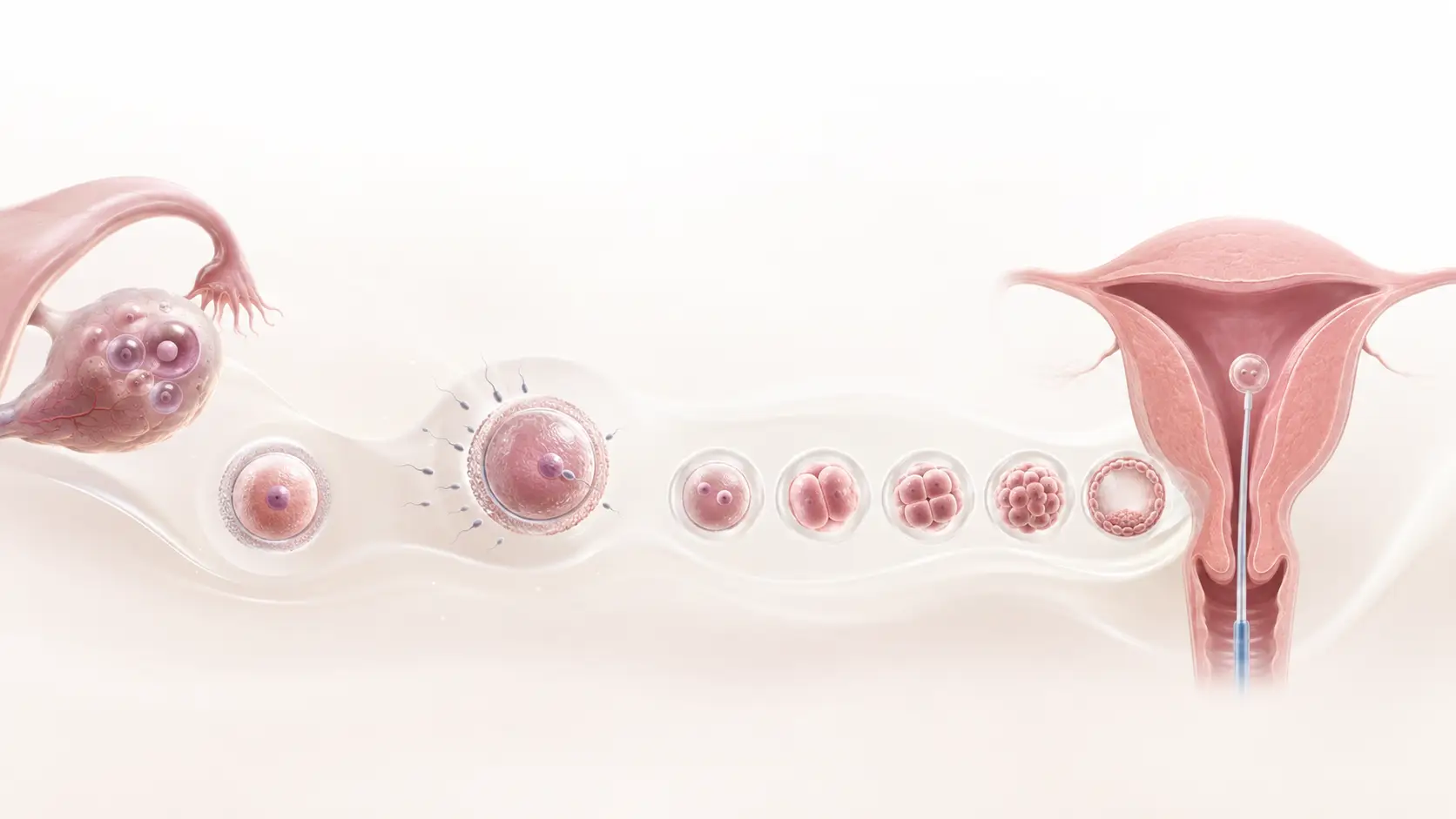
Male fertility depends on several connected factors, including sperm production, sperm movement and function, the ability to deliver sperm normally, hormonal health and the wider medical and reproductive history.
A semen analysis gives important information about a sample, but concentration, movement or appearance should not be interpreted as a simple pass or fail result. Findings need to be understood together and in the context of the couple’s fertility situation.
Sperm Production and Number
Some men may have a lower number of sperm in the ejaculate, while in azoospermia no sperm are identified in the ejaculate after appropriate laboratory assessment. The reason still needs to be investigated rather than assumed.
Sperm Movement and Structure
Motility and morphology are among the characteristics assessed during semen analysis. An individual value does not by itself provide a complete diagnosis of fertility or infertility.
Hormonal and Testicular Factors
Hormonal conditions, impaired sperm production and selected testicular conditions can affect male reproductive function. Hormonal testing is used when the history, examination or semen findings indicate that it may be useful.
Obstruction and Sperm Transport
In some situations sperm production may be present but sperm cannot reach the ejaculate normally because of an obstruction or another problem affecting the reproductive tract or ejaculation.
Genetic and Medical Factors
Selected men with severe sperm abnormalities or azoospermia may need genetic or additional medical evaluation. These investigations are chosen according to the individual findings rather than ordered routinely for everyone.
Lifestyle, Medicines and Health History
Previous illness, surgery, medications, testosterone or anabolic-steroid use, environmental exposures and other health factors may also be relevant and should be discussed during evaluation.
When Male Fertility Evaluation May Be Helpful
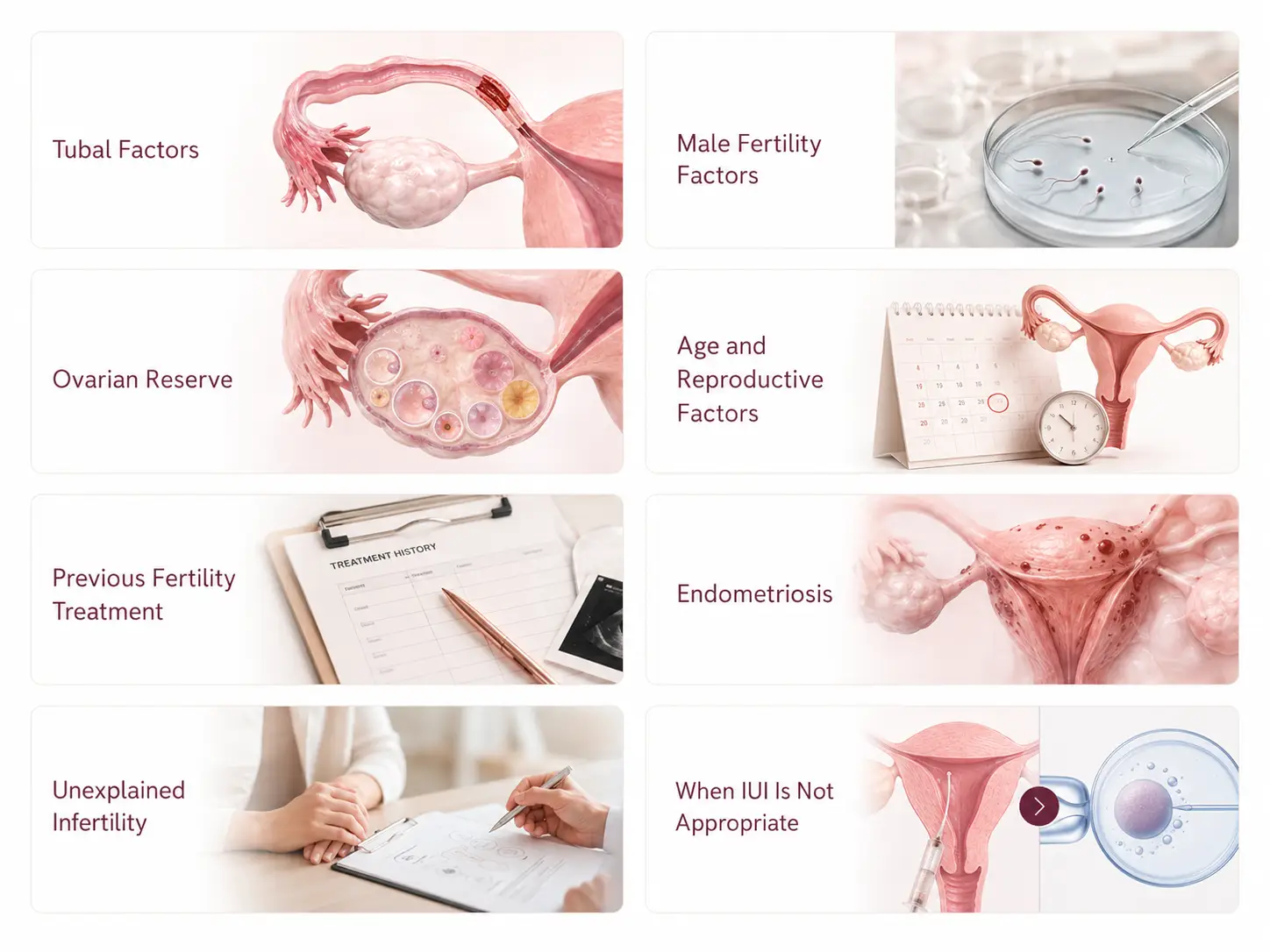
Male fertility assessment may be useful when a couple is having difficulty conceiving, when a semen report shows an abnormal finding, or when the man’s medical or reproductive history suggests that further evaluation could be relevant. Assessment of both partners can take place in parallel so that one person is not assumed to be the cause of the fertility difficulty.
01 — Pregnancy Is Taking Longer Than Expected
When a couple is being evaluated because pregnancy has not occurred as expected, assessment of the male partner is an important part of understanding the overall fertility situation.
02 — An Abnormal Semen Report
A lower sperm count, reduced movement, differences in morphology or another semen finding may need further interpretation, particularly when more than one parameter is affected or the result needs confirmation.
03 — Previous Fertility Treatment
04 — Repeated Pregnancy Loss
When recurrent pregnancy loss has occurred, the wider couple evaluation may include selected assessment of the male partner based on the clinical situation.
05 — Relevant Medical or Reproductive History
Previous testicular problems, surgery, infection, cancer treatment, hormonal conditions, certain medicines, testosterone or anabolic-steroid use, or other relevant health factors may indicate the need for a more detailed assessment.
06 — Erection, Ejaculation or Sexual Concerns
Difficulty with erections, ejaculation or reduced sexual desire can sometimes affect the ability to conceive and should be discussed without embarrassment as part of a complete fertility history.
What Is Reviewed During Male Fertility Evaluation
Male fertility evaluation usually begins with a detailed reproductive and medical history together with semen analysis. Further examination or testing is selected according to those findings, rather than ordering the same investigations for every man.
01 — Reproductive and Medical History
Previous pregnancies, fertility duration, childhood or testicular history, surgery, infections, medications, sexual function, previous treatments and relevant health conditions can all provide important context.
02 — Semen Analysis
Semen analysis assesses characteristics such as sperm number, movement and morphology together with other sample findings. Results are interpreted as part of the wider clinical picture rather than as a simple fertile or infertile score.
03 — Clinical Examination When Needed
A focused examination may help assess testicular size, the reproductive tract and other physical findings when the history or semen results suggest that further evaluation is useful.
04 — Hormonal Evaluation
Hormonal tests such as FSH and testosterone may be useful in selected situations, including azoospermia, reduced sperm concentration, sexual symptoms or findings that suggest a hormonal problem.
05 — Genetic Evaluation in Selected Cases
Certain men with azoospermia, severe sperm-production problems or specific reproductive-tract findings may need genetic testing and counselling before treatment decisions are made.
06 — Imaging or Additional Assessment
Ultrasound or other investigations may be considered when the history, examination or semen findings raise a specific clinical question. They are not automatically required for every fertility evaluation.
07 — The Couple’s Fertility Situation
Male findings are interpreted alongside the female partner’s fertility evaluation, reproductive goals and previous treatment history so that recommendations are made for the couple rather than from one report alone.
Understanding a Semen Analysis
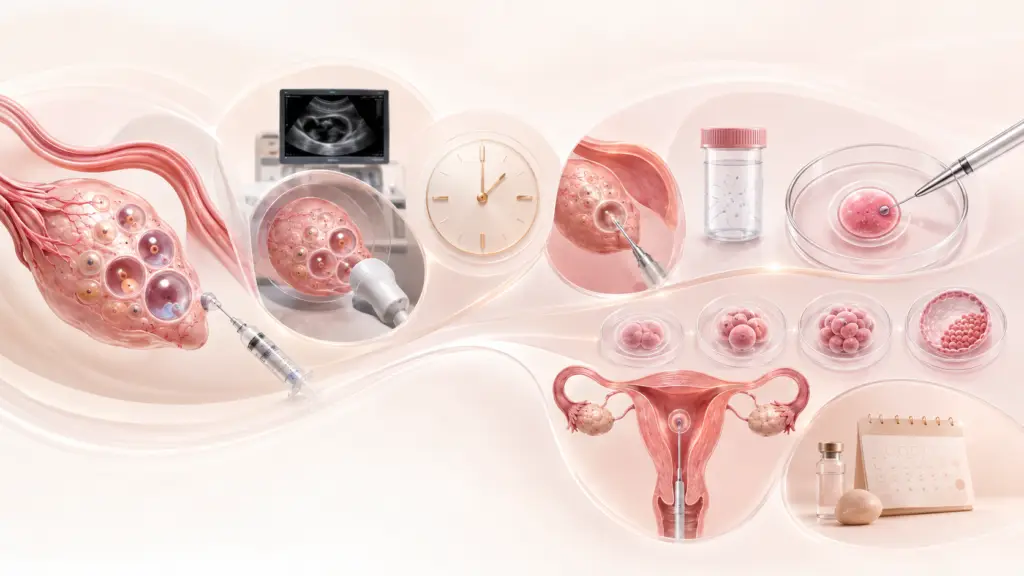
Semen analysis is one of the main laboratory assessments used in male fertility evaluation. It looks at several characteristics of the sample, but the numbers should be interpreted together rather than treating one value as a pass or fail result.
Results can also vary between samples. If an important abnormality is identified, the doctor may recommend confirmation or further evaluation depending on the individual situation.
Semen Volume
The amount of semen collected is recorded because incomplete collection, ejaculation problems and other clinical factors can affect how the result is interpreted.
Sperm Concentration
This describes the number of sperm present in each millilitre of semen. It is considered together with semen volume and the total number of sperm in the sample.
Total Sperm Number
Total sperm number considers both sperm concentration and the volume of the ejaculate, giving additional context about the overall sample.
Sperm Motility
Motility describes how sperm are moving, including whether they show forward progression. The result is interpreted together with the other semen findings.
Sperm Morphology
Morphology assesses the proportion of sperm with particular structural characteristics under laboratory criteria. It is one part of semen assessment and should not be interpreted alone.
Other Sample Findings
Depending on the sample, the laboratory may also assess findings such as vitality, cells within the semen or other characteristics that need clinical interpretation.
Treatment Depends on What the Evaluation Finds
There is no single treatment for male infertility. The next step depends on what is contributing to the fertility difficulty, whether a potentially correctable cause is identified and the wider fertility situation of the couple.
Correcting an Identifiable Cause
Some hormonal, medical, ejaculation-related or obstructive conditions may have a specific treatment pathway. The aim is to address the underlying problem when this is clinically appropriate rather than moving automatically to assisted reproduction.
Selected Surgical Treatment
Certain structural conditions may be considered for surgical treatment after specialist assessment. For example, a clinically significant varicocele or a confirmed reproductive-tract obstruction may have treatment options in selected men.
IUI in Selected Situations
When enough suitable motile sperm are available and the couple’s overall fertility situation is appropriate, IUI may be one of the options discussed. It is not suitable for every type or severity of male-factor infertility.
IVF and ICSI
IVF or ICSI may be considered when the male factor is more significant, when other fertility factors are present or when previous treatment and the couple’s circumstances support this approach. ICSI is not automatically required simply because a male fertility concern exists.
Sperm Retrieval
When sperm are not available in the ejaculate, selected men may be evaluated for surgical sperm retrieval. The appropriate technique depends on whether sperm production is present, whether an obstruction exists and the individual diagnosis.
The treatment plan should therefore follow the diagnosis, not the other way around.

When No Sperm or Very Few Sperm Are Found
A result showing no sperm in the ejaculate, known as azoospermia, or a very low sperm count needs careful evaluation before conclusions are made. The aim is to understand whether sperm production is reduced, whether sperm may be unable to reach the ejaculate, or whether another hormonal, medical or genetic factor may be involved.
First Confirm the Finding
When no sperm are reported, the result may need appropriate laboratory confirmation and clinical review before the next step is planned.
Is Sperm Production Reduced?
Some men have impaired sperm production within the testes. History, examination, semen findings and selected hormonal or genetic assessment may help clarify this possibility.
Could There Be an Obstruction?
In other situations sperm production may be present but sperm cannot reach the ejaculate because of an obstruction or another problem affecting the reproductive tract.
Look for a Treatable Cause
Hormonal conditions, previous surgery, medication exposure, ejaculation problems or other medical factors may sometimes change the treatment approach when they are identified.
Genetic Evaluation May Be Relevant
Selected men with azoospermia or severe sperm-production problems may need genetic testing and counselling before fertility treatment or sperm retrieval is considered.
Sperm Retrieval May Be Discussed
When sperm are not available in the ejaculate, surgical sperm retrieval may be considered in selected men. The technique and likelihood of finding sperm depend on the underlying diagnosis, and retrieval cannot be guaranteed.
Male Fertility Results Need Context
Male fertility cannot be reduced to one number, one semen report or one treatment recommendation. Results need to be understood alongside medical history, examination, the couple’s fertility situation and, where appropriate, further testing.
One Report Is Not the Whole Diagnosis
Semen findings can vary, and an individual result should not automatically be interpreted as proof of fertility or infertility. Important abnormalities may need confirmation and clinical interpretation.
More Testing Is Not Always Better
Hormonal, genetic, imaging and advanced sperm tests are useful in selected situations. They should answer a specific clinical question rather than being added routinely without a clear reason.
Treatment Cannot Be Chosen From Sperm Count Alone
The appropriate next step depends on the cause, severity of the male factor, the female partner’s evaluation, previous treatment and the couple’s reproductive goals. Options may range from addressing a specific cause to IUI, IVF, ICSI or sperm retrieval when clinically appropriate.
Male Fertility Care Built Around Evidence, Clarity and the Couple
Male fertility findings can be sensitive and sometimes difficult to interpret. Our approach is to understand what the results mean, explain what may need further evaluation and discuss treatment only when it is clinically appropriate.
01 — Evidence Before Assumption
A semen result or a single abnormal parameter should not become an automatic diagnosis. Findings are reviewed in context before conclusions or treatment recommendations are made.
02 — Both Partners Matter
Male fertility evaluation is considered as part of the couple’s wider fertility assessment so that decisions are not based on one partner in isolation.
03 — Testing With a Clear Purpose
Additional hormonal, genetic, imaging or advanced sperm tests are considered when they can answer a relevant clinical question rather than simply adding more investigations.
04 — Treatment Is Individualised
The next step may involve addressing an identifiable cause, observation, IUI, IVF, ICSI, sperm retrieval or another pathway depending on the diagnosis and the couple’s fertility situation.
05 — Clear Explanations Before Decisions
Reports, possible treatment options and important limitations are discussed so that the couple can understand why a particular next step is being considered.
Related Male Fertility and Treatment Pathways
Depending on what the evaluation identifies, the next step may involve further male fertility assessment, treatment of a specific condition or assisted reproductive treatment considered together with the couple’s wider fertility situation.
Semen Analysis & Evaluation
Understand how semen findings are assessed, when repeat testing may be useful and why results need interpretation in clinical contex
Azoospermia
Explore the evaluation pathway when no sperm are identified in the ejaculate, including possible obstructive and sperm-production causes.
IUI Treatment
Learn when prepared sperm may be used for intrauterine insemination and why IUI is suitable only in selected fertility situations.
IVF Treatment
Understand how IVF may form part of a couple’s treatment plan when male and female fertility factors are considered together.
ICSI Treatment
Learn how ICSI differs from conventional IVF and when direct injection of a selected sperm into an egg may be considered.
IVF Laboratory & Embryology
Understand the laboratory stages involved in sperm preparation, fertilisation and embryo development during assisted reproductive treatment.
Patient Journey
Male Fertility FAQs
These questions address some of the most common concerns around semen analysis, male fertility evaluation and treatment planning. Individual recommendations depend on the findings for both partners.
Does one abnormal semen analysis mean I am infertile?
No. A semen analysis describes one sample, and individual parameters such as sperm concentration, movement or morphology should not be interpreted as a simple fertile or infertile result. Important abnormalities may need confirmation and should be reviewed together with your medical and reproductive history.
Will I need another semen analysis?
Sometimes. Semen findings can vary between samples, so repeat testing may be recommended when an important abnormality needs confirmation or when the doctor needs a clearer picture before deciding on further evaluation or treatment.
Does a low sperm count always mean IVF or ICSI is needed?
No. Treatment depends on the severity and cause of the male fertility factor, whether a correctable condition is identified and the fertility situation of the couple. Some men may need treatment of a specific cause, while IUI, IVF or ICSI may be considered in other situations.
If no sperm are seen in the semen, does that mean there are no treatment options?
Not necessarily. Azoospermia needs further evaluation to understand whether sperm production is impaired or whether sperm may be unable to reach the ejaculate because of an obstruction or another cause. Depending on the diagnosis, treatment, reconstruction or surgical sperm retrieval may be discussed in selected cases. Sperm retrieval cannot be guaranteed.
Can testosterone improve male fertility?
Testosterone should not be started as a fertility treatment without specialist assessment. Testosterone taken from outside the body can suppress the hormonal signals needed for sperm production and may reduce or even stop sperm production. Men trying to conceive should discuss low testosterone symptoms and fertility goals with their doctor before treatment.
Do vitamins or fertility supplements improve sperm and pregnancy chances?
Evidence for routine antioxidant, vitamin or fertility-supplement use in male infertility is uncertain. Supplements should not replace proper evaluation of an abnormal semen report or an identifiable medical cause.
Understand What Your Male Fertility Results Mean
If pregnancy is taking longer than expected, a semen report is abnormal or a previous fertility assessment has raised questions, a consultation can help put the findings into context. Your reproductive history, previous reports and the couple’s wider fertility situation can be reviewed before deciding whether further evaluation or treatment is appropriate.